Mastering the Letter H Shelf Organizer STL 3D Print for Professional Results
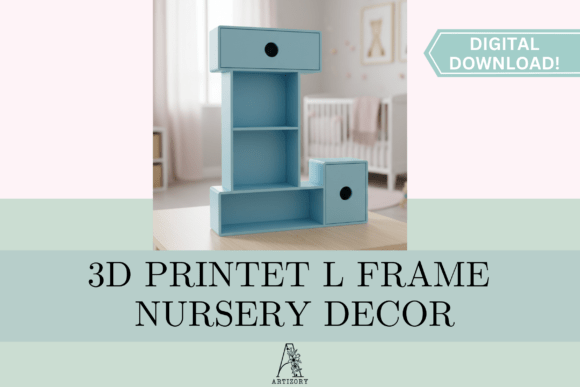
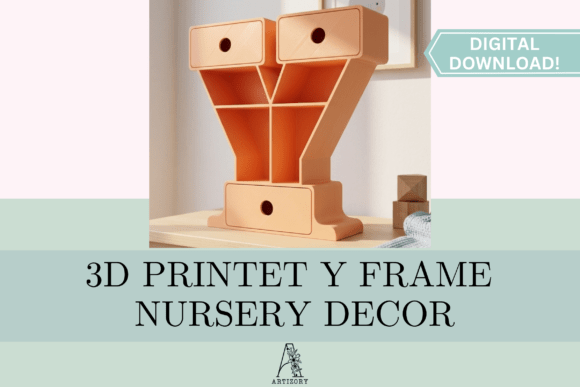
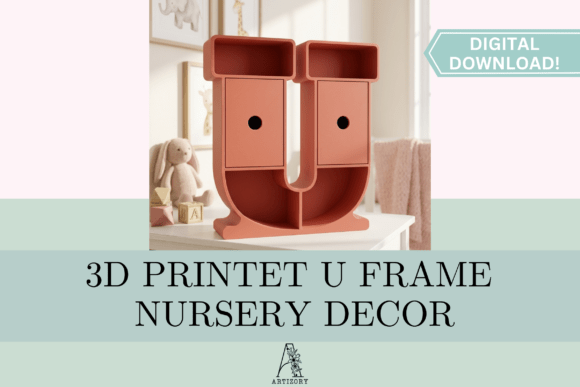
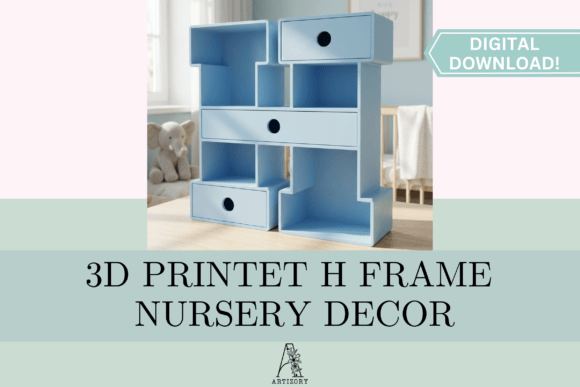
The Letter H Shelf Organizer STL 3D Print represents more than just a novelty item; it is a functional piece of furniture designed to bridge the gap between personalized decor and practical storage. Featuring a clean, modern aesthetic and a fully functional drawer, this monogram cubby has become a staple for small business owners looking to expand their catalog with high-value nursery decor or office accessories. However, simply downloading a file and hitting "print" does not guarantee a product that meets professional standards. Many creators overlook critical details regarding print orientation, material selection, and assembly, leading to weak joints, rough finishes, or drawers that stick. To truly leverage this design for your shop or home, you must approach the project with an understanding of both the digital file's constraints and the physical properties of 3D printing.
Avoiding Common Pitfalls in File Selection and Preparation
One of the most frequent mistakes beginners make is assuming all alphabet STL files are created equal. When searching for a 3D print STL file for Letter H shelf organizer, many users grab the first free result they find without verifying the design's structural integrity. Poorly designed models often lack internal reinforcement or have wall thicknesses that are too thin for FDM printing, resulting in a fragile unit that cannot hold weight. A robust design, like the one optimized for a standard 25x25 cm print bed, should feature uniform wall thickness and logical layer lines that maximize strength without requiring excessive infill.
Another significant oversight involves support structures. While this specific design boasts minimal support requirements—needed only for the drawer handle—users often misconfigure their slicer settings. Adding unnecessary supports to flat vertical surfaces can ruin the sleek, minimalist look of the letter, leaving behind scars that require hours of sanding. Conversely, failing to support the overhang of the handle correctly can lead to drooping filament, rendering the drawer unusable. The key is to trust the designer's intent: use supports sparingly and only where the geometry strictly demands it. This approach ensures a professional finish with zero hassle and preserves the crisp edges that define the modern aesthetic.
Material Choices and Print Settings for Durability
The choice of filament plays a pivotal role in the final quality and usability of your Letter H storage STL. A common error is using low-quality PLA for items intended for daily use, such as desk organizers or nursery shelves. While PLA is easy to print, it can become brittle over time, especially if the item is exposed to sunlight or heat. For a product that needs to withstand the rigors of real-world use, consider upgrading to PETG or a high-toughness PLA variant. These materials offer better layer adhesion and impact resistance, ensuring that the drawer slides smoothly and the letter structure remains sturdy even when loaded with small items.
Furthermore, print orientation is often misunderstood. Some users attempt to print the letter standing upright to avoid assembly, but this can create weak points along the horizontal layers, making the shelf prone to snapping under pressure. The optimal approach for this functional alphabet series is to print the main body flat on the build plate. This orientation utilizes the natural strength of the printed layers to support vertical loads. It also provides the flattest possible surface for the back of the letter, which is crucial if you plan to mount it on a wall. By printing flat, you achieve consistent results and a sturdier final product that justifies a higher price point if you are selling these items.
Assembly and Finishing: The Difference Between Hobbyist and Pro
Even with a perfect print, the assembly phase is where many projects falter. The functional drawer in this design relies on precise tolerances. If your printer is not calibrated correctly, the drawer may be too tight to slide or too loose to stay closed. Before assembling the entire unit, it is wise to print a tolerance test or just the drawer component to check the fit. If the fit is too snug, a light sanding of the drawer sides with fine-grit sandpaper can work wonders. Avoid forcing the parts together, as this can crack the delicate rails inside the letter housing.
Post-processing is another area where attention to detail separates amateur prints from retail-ready products. Because this design requires minimal supports, the cleanup should be quick. However, do not skip the step of removing support nubs from the handle. Use a sharp hobby knife or flush cutters to trim the plastic cleanly, followed by a gentle rub with a sanding sponge. For those offering personalized nursery decor, painting the letter can add significant value. Acrylic paints adhere well to PLA and PETG, allowing you to match specific color schemes. A matte finish often looks more sophisticated and hides minor layer lines better than a glossy one, enhancing the clean look of the cubby.
Maximizing Value for Small Businesses and Creators
For entrepreneurs and small business owners, the Letter H Shelf Organizer STL 3D Print offers a unique opportunity to create customizable product lines. Instead of selling generic storage bins, you can offer custom names or initials, tapping into the market for personalized gifts. A common strategic mistake is underpricing these items by failing to account for the time spent on post-processing and packaging. Remember, customers are paying for the customization and the finished aesthetic, not just the cost of the plastic. Highlight the functionality of the drawer and the quality of the print in your marketing materials to justify a premium price.
Additionally, consider the scalability of this project. Since the design is part of a functional alphabet series, you can easily build a full collection. However, ensure you have the capacity to fulfill orders before listing a full set. It is better to master the production of a single letter, like the Letter H, and refine your workflow before expanding to the entire alphabet. This allows you to troubleshoot any recurring issues with specific letters that might have different geometric challenges. By focusing on quality control and efficient production methods, you can build a reputation for reliability and style.
Key Checklist Before You Print
- Verify Wall Thickness: Ensure the model has walls thick enough (at least 2-3 perimeters) to prevent transparency and weakness.
- Check Bed Adhesion: Use a brim if necessary to prevent warping, especially with larger letters on a 25x25 cm bed.
- Calibrate E-Steps: Accurate extrusion is vital for the drawer to fit perfectly within the housing.
- Select Appropriate Infill: A gyroid or cubic infill at 15-20% usually provides the best balance of strength and print time for shelving units.
- Test Fit Components: Always test the drawer mechanism before gluing or permanently assembling any parts.
In conclusion, the journey from a digital 3D printable wall or desk shelf file to a tangible, useful object requires more than just a printer. It demands a thoughtful approach to design selection, material science, and finishing techniques. By avoiding common traps like poor orientation, inadequate material choices, and rushed assembly, you can produce a Letter H Shelf Organizer that stands out in quality and utility. Whether you are building a collection for your home or expanding your shop's inventory, paying attention to these details ensures that every print is a success, helping your customers organize their space with genuine style.