Combining Tradition and Technology: The Horse Keyring with Horseshoe for 3D Printing
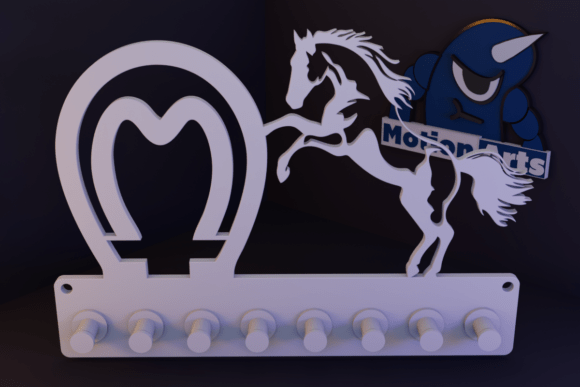
In an era where digital fabrication meets timeless symbolism, the Horse Keyring with Horseshoe for 3D Printing stands out as a prime example of how modern technology can honor traditional aesthetics. This decorative 3D model represents a horse in a stylized silhouette, captured mid-rear next to a horseshoe—a universal emblem of protection and good luck. Beyond its visual appeal, the design masterfully combines strength, movement, and elegance through well-defined cut-outs and clean lines, ensuring a striking and easily recognizable profile. However, what truly sets this piece apart is its dual nature; it is not merely a static ornament but a functional base equipped with multiple pins for hanging keys, hats, bags, or small accessories. By merging decoration and utility into a single model, it addresses the growing consumer demand for items that are both beautiful and practical.
The relevance of such a model extends far beyond the niche of equestrian enthusiasts. As homeowners and interior designers increasingly seek personalized decor that tells a story, the ability to produce high-quality, themed pieces on demand has revolutionized the market. Whether adorning the entrance of a rustic country house, enhancing the ambiance of a gourmet area, or serving as a thoughtful gift for lovers of the equestrian world, this keyring holder bridges the gap between artisanal craftsmanship and accessible manufacturing. The modeling process itself was meticulously designed to facilitate printing, ensuring good structural strength and providing an excellent finish after minimal post-processing, making it an ideal project for beginners while remaining robust enough for daily use.
The Evolution of Personalized Decor in the Digital Age
The shift toward customized home accessories reflects broader changes in consumer behavior and lifestyle preferences. In the past, finding a specific decorative item that perfectly matched a theme—such as a ranch-style entryway or a stud farm office—often required settling for mass-produced goods that lacked character or commissioning expensive handcrafted pieces with long lead times. Today, the landscape has changed dramatically. The rise of desktop 3D printing has democratized access to custom design, allowing creators and hobbyists to produce unique items like the Horse Keyring with Horseshoe right in their own workshops.
This evolution is driven by a desire for authenticity and connection. People are moving away from generic, factory-made decor in favor of objects that resonate with their personal interests and values. The horse and horseshoe motif taps into deep cultural associations with strength, freedom, and fortune. When rendered in a stylized silhouette with clean lines, it transcends kitsch to become a piece of modern art. Furthermore, the functional aspect of the design aligns with the modern need for organization. In busy households and professional environments, having a designated spot for keys, bags, and accessories reduces clutter and streamlines daily routines. A wall-mounted holder that looks like a sculpture rather than a plastic hook adds value to the space, turning a mundane necessity into a conversation starter.
For entrepreneurs and small business owners, this trend presents a significant opportunity. The ability to offer localized, on-demand production means lower inventory costs and the flexibility to cater to specific regional tastes. A creator can print these models in various colors to match different interior palettes or scale them to fit different spaces without retooling an entire assembly line. This agility is crucial in a market where trends shift rapidly and customers expect immediate gratification.
Design Philosophy: Balancing Aesthetics and Structural Integrity
Creating a 3D model that is both visually stunning and functionally durable requires a nuanced understanding of additive manufacturing constraints and possibilities. The Horse Keyring with Horseshoe for 3D Printing exemplifies this balance. The decision to use a stylized silhouette with well-defined cut-outs is not purely aesthetic; it is a strategic choice that optimizes material usage and print time while reducing the risk of warping. Clean lines ensure that the printer can trace the geometry accurately, resulting in a crisp finish that requires little sanding or painting.
The inclusion of a functional base with multiple pins introduces engineering challenges that were carefully addressed during the modeling phase. These pins must be strong enough to support the weight of heavy keychains, winter coats, or tote bags without snapping. To achieve this, the design likely incorporates reinforced connections at the base and orientates the layers to maximize tensile strength along the axis of the hooks. The requirement for support structures, as noted in the technical specifications, indicates overhangs that add depth and dimension to the horse's rearing posture, enhancing the sense of movement and elegance. While supports add a step to the post-processing workflow, they are essential for achieving the "striking" look that defines the piece.
For the user, this attention to detail translates to reliability. A flimsy hook is useless, regardless of how beautiful the sculpture above it may be. By prioritizing structural strength, the design ensures that the piece remains a permanent fixture in the home or office. The "Beginner" difficulty level mentioned in the project description suggests that the slicing settings and print orientation have been optimized to minimize failure rates, making it accessible even to those new to the medium. This accessibility is vital for widening the adoption of 3D printed decor, encouraging more people to explore the potential of digital fabrication.
Practical Applications Across Diverse Environments
The versatility of this model allows it to thrive in a variety of settings, each benefiting from its unique blend of form and function. In country houses and ranches, the horse and horseshoe motif feels native, reinforcing the architectural style and the lifestyle of the inhabitants. Placed near the entrance, it serves as a welcoming gesture and a practical drop-zone for outdoor gear. In stud farms and equestrian centers, it can be used in tack rooms, offices, or visitor areas, acting as a branded element that celebrates the core identity of the facility.
However, the appeal is not limited to rural environments. In urban apartments or modern offices, the stylized nature of the silhouette allows it to function as a piece of contemporary wall art. The clean lines and geometric abstraction fit well with minimalist or industrial interiors, where the material texture of the 3D print (whether matte PLA, wood-fill, or metallic filament) can add warmth and tactile interest. For gourmet areas or boutique shops, the holder can organize aprons, menus, or small bags, maintaining a tidy appearance while contributing to the thematic decor.
As a gift, the Horse Keyring with Horseshoe for 3D Printing carries significant emotional weight. It is a personalized token that shows thoughtfulness, appealing to friends, family, or colleagues who have a passion for horses or country living. Unlike a generic store-bought item, a 3D printed gift implies effort and customization. The giver can choose the color, perhaps matching the recipient's favorite team or home decor, and even add a small engraved plate or tag if the printer capabilities allow. This level of personalization fosters a deeper connection between the object and the owner.
Workflow Considerations for Creators and Makers
For those looking to produce this model, understanding the workflow is key to success. Although labeled as a beginner-level project, achieving the "excellent finish" described requires attention to detail during the printing and post-processing stages. Since support structures are required, users should be prepared to carefully remove them using flush cutters or a hobby knife, taking care not to mar the surface of the horse's silhouette or the horseshoe. Sanding the contact points lightly can restore the smooth lines that define the design's elegance.
Material selection plays a crucial role in the final outcome. For indoor decorative use, standard PLA is often sufficient and offers a wide range of colors. However, for high-traffic areas or environments with fluctuating temperatures, such as an entryway near a door, PETG or ASA might be preferable due to their higher durability and resistance to heat and UV light. If the goal is to mimic traditional materials, wood-filled filaments can give the piece a rustic, carved-wood appearance that complements the country theme, while metal-filled filaments can enhance the industrial feel of the horseshoe.
Printing orientation is another critical factor. To ensure the hooks have maximum strength, the model should ideally be printed flat against the build plate, even if this necessitates more extensive support removal. This orientation aligns the layer lines horizontally across the hooks, preventing them from shearing off under load. Users should also consider infill density; a higher percentage (e.g., 20-40%) will provide the necessary rigidity for the base and pins, ensuring the piece can handle the weight of daily essentials without deformation.
The Future of Functional Art in Home Organization
The trajectory of home organization tools points toward a future where functionality is inseparable from artistic expression. The days of utilitarian plastic hooks hidden in closets are fading. Consumers now expect their organizational solutions to contribute positively to the visual narrative of their spaces. Models like the Horse Keyring with Horseshoe for 3D Printing are at the forefront of this shift, demonstrating that practical items can be sculptural and meaningful.
As 3D printing technology continues to advance, becoming faster, cheaper, and capable of handling more diverse materials, we can expect to see an explosion of similar designs. The barrier to entry for creating custom, high-quality home goods is lowering, empowering individuals to solve their own storage problems with style. This democratization of design encourages innovation, as makers iterate on existing concepts, adding new features or adapting styles to suit emerging trends.
Moreover, the sustainability aspect of local production cannot be overlooked. By printing only what is needed, when it is needed, waste is significantly reduced compared to traditional manufacturing and shipping models. For the environmentally conscious consumer, the ability to repair or replace a broken hook by simply reprinting a small component is a compelling advantage. This circular approach to product lifecycle management aligns with broader societal shifts towards responsible consumption.
In conclusion, the fusion of the classic horse and horseshoe symbol with modern 3D printing capabilities results in a product that is greater than the sum of its parts. It is a testament to how technology can preserve tradition while adapting it for contemporary life. Whether used as a sturdy key holder in a bustling farmhouse or a decorative accent in a city loft, this model offers a perfect blend of strength, movement, and elegance. For creators, it represents an accessible entry point into the world of functional 3D printing; for users, it provides a charming and practical solution to everyday organization. As we continue to embrace digital tools in our physical lives, projects like these will undoubtedly play a central role in shaping the aesthetics and utility of our personal spaces.