Dolphin 3D: Elevating Digital Design with Depth and Fluidity
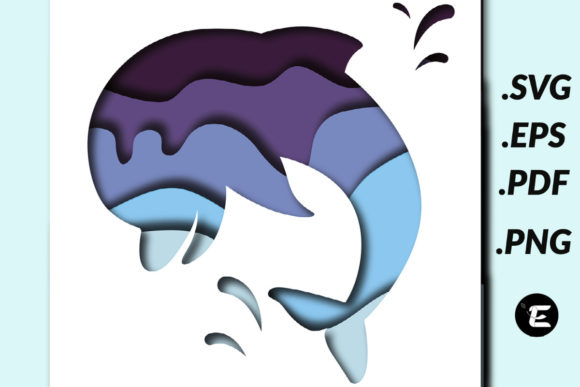
In the rapidly evolving landscape of digital design, the shift from flat, two-dimensional graphics to immersive three-dimensional elements has become more than just a stylistic choice; it is a response to changing user expectations and the demand for richer visual experiences. At the forefront of this movement is the concept of Dolphin 3D, a design motif that captures the grace, intelligence, and fluidity of marine life through modern rendering techniques. Specifically, an illustration of a dolphin gradient of blue in 3D offers a versatile asset that bridges the gap between artistic expression and practical utility. This visual approach does not merely decorate a screen; it engages the viewer, evoking emotions of calmness, freedom, and innovation.
The relevance of such imagery extends far beyond aesthetic appeal. For professionals, creators, and entrepreneurs, integrating high-quality 3D assets into their workflows represents a strategic advantage. As audiences become increasingly desensitized to generic stock photography and flat vector icons, there is a growing appetite for content that feels tangible and dynamic. A compressed file containing formats like .SVG, .PDF, .PNG, and .EPS provides the necessary flexibility to adapt these assets across various mediums, ensuring that the integrity of the design is maintained whether it is scaled for a massive billboard or minimized for a social media avatar.
The Evolution of Visual Storytelling in a Digital-First World
The trajectory of graphic design over the last decade has been marked by a pendulum swing between minimalism and maximalism, yet the current trend leans heavily toward "depth." This evolution is driven by advancements in hardware capabilities and software accessibility, allowing designers to incorporate complex lighting, shadows, and gradients without compromising performance. The Dolphin 3D concept exemplifies this shift. Unlike traditional illustrations that rely on solid blocks of color, a 3D-rendered dolphin utilizes a gradient of blue to simulate the way light interacts with water and skin, creating a sense of volume and movement that static images often lack.
This change in visual language aligns with broader lifestyle shifts where digital interfaces are expected to mimic the richness of the physical world. Users today interact with touchscreens, virtual reality headsets, and high-resolution displays that demand crisp, detailed imagery. When a marketer or blogger chooses a 3D asset over a flat alternative, they are signaling an understanding of these modern standards. It suggests a brand that is forward-looking and attentive to detail. Furthermore, the psychological impact of the color blue—often associated with trust, stability, and tranquility—combined with the dynamic form of a dolphin, creates a powerful narrative tool. It tells a story of agility and depth, qualities that many businesses strive to project.
Versatility Across Formats: From Vector to Raster
One of the most significant challenges in modern creative workflows is asset compatibility. A design that looks perfect on a website may lose its fidelity when printed on a business card or stretched across a video thumbnail. This is where the value of a multi-format compressed file becomes undeniable. Having access to .SVG (Scalable Vector Graphics) ensures that the dolphin illustration can be resized infinitely without pixelation, making it ideal for responsive web design and large-format printing. Conversely, .PNG files with transparent backgrounds offer immediate usability for social media overlays and digital presentations where quick deployment is essential.
For print professionals and those working with traditional publishing tools, the inclusion of .PDF and .EPS formats is critical. These vector-based formats allow for precise editing in industry-standard software, enabling designers to tweak colors, adjust gradients, or integrate the dolphin motif into complex layouts without losing quality. This versatility supports a wide range of applications. For instance, an event planner can use the EPS file to create elegant invitations for a birthday party with an ocean theme, while a digital nomad might use the PNG version to compose eye-catching wallpapers for their social media channels. The ability to seamlessly transition between these formats empowers creators to maintain a consistent visual identity across all touchpoints.
Practical Applications for Creators and Business Owners
The utility of a high-quality 3D dolphin illustration extends into numerous practical scenarios, catering to diverse needs within the creative economy. Consider the realm of personal organization and stationery, which has seen a resurgence in popularity among adults seeking tactile ways to manage their lives. Bullet journal enthusiasts and notebook cover designers are constantly on the lookout for unique imagery that reflects personality and style. A gradient blue dolphin serves as a striking focal point for a notebook cover, transforming a mundane object into a source of daily inspiration. The 3D effect adds a layer of sophistication that distinguishes these products in a crowded marketplace.
In the corporate sphere, the application of such assets can enhance brand communication. Entrepreneurs and small business owners often struggle to differentiate themselves in saturated markets. By incorporating distinctive 3D elements into their marketing materials, they can create a memorable brand image. Imagine a tech startup using the dolphin motif to symbolize streamlined data flow or a wellness coach using it to represent mental clarity and fluidity. These digital papers can be used to compose professional presentations, design unique cards for client appreciation, or even serve as the background for webinar slides. The key lies in the adaptability of the asset; the same image can be toned down for a conservative report or amplified for a vibrant ad campaign.
- Social Media Engagement: Use the PNG format to create layered stories and posts that stand out in crowded feeds, leveraging the depth of the 3D render to catch the scrolling eye.
- Event Branding: Utilize the vector files to scale the illustration for large banners, backdrops, and invitations for birthdays, corporate retreats, or community gatherings.
- Digital Products: Incorporate the artwork into planners, e-books, and online courses to add perceived value and professional polish to digital downloads.
- Merchandise Design: Apply the high-resolution files to t-shirts, mugs, and tote bags, knowing the gradient and 3D details will reproduce accurately on physical goods.
Adapting to Changing User Expectations
As we navigate an era where attention is the most scarce commodity, the bar for visual content continues to rise. Users have developed a refined visual literacy; they can instinctively distinguish between low-effort templates and thoughtfully crafted designs. The integration of Dolphin 3D elements speaks to this heightened expectation. It demonstrates a commitment to quality that resonates with audiences who value authenticity and craftsmanship. Moreover, the trend towards "calm technology"—design that reduces cognitive load and promotes well-being—finds a natural ally in the soothing blue gradients and organic shapes of a dolphin illustration.
For educators and content creators, this shift also presents an opportunity to make learning materials more engaging. Visual aids that possess depth and realism can help illustrate concepts more effectively than flat diagrams. Whether explaining marine biology, discussing fluid dynamics, or simply breaking up text in an educational blog post, a well-rendered 3D image can serve as a powerful pedagogical tool. It invites curiosity and encourages the viewer to linger, increasing the likelihood of information retention.
Strategic Recommendations for Implementation
To maximize the potential of these digital assets, creators should adopt a strategic approach to their implementation. It is not enough to simply insert an image; one must consider context, lighting, and composition. When using the .SVG or .EPS files, take the time to customize the gradient stops to match your specific brand palette. While the default blue is effective, shifting the hues slightly to align with your corporate colors can create a more cohesive look. Additionally, consider how the 3D lighting in the illustration interacts with other elements on the page. Ensuring that the light source appears consistent across all design elements prevents the final composition from looking disjointed.
Furthermore, leverage the different file types for their intended strengths. Do not use a raster PNG for a large format print if a vector option is available, as this can lead to blurry edges and a loss of professionalism. Conversely, do not attempt to embed complex vector code directly into a social media post where a lightweight PNG would load faster and display more reliably across devices. Understanding these technical nuances is part of the modern creator's toolkit.
Ultimately, the value of a resource like a compressed file containing Dolphin 3D illustrations in multiple formats lies in its ability to save time while elevating output quality. In a fast-paced environment where deadlines are tight and competition is fierce, having ready-to-use, high-fidelity assets allows professionals to focus on strategy and storytelling rather than getting bogged down in the mechanics of asset creation. Whether you are composing wallpapers for social media, designing invitations for a special occasion, or crafting the cover for your next bullet journal, these tools provide the foundation for unique and impactful visual communication.
The convergence of artistic beauty and technical utility defines the future of digital design. By embracing assets that offer both depth and versatility, creators and businesses can navigate the changing tides of consumer preference with confidence. The dolphin, a symbol of intelligence and adaptability, serves as a fitting metaphor for this journey. With the right resources, including comprehensive format support and high-quality rendering, the path to creating compelling, relevant, and beautiful content becomes clearer and more accessible than ever before.